✨ New Arrivals Just Dropped!Explore
Classic Crimes
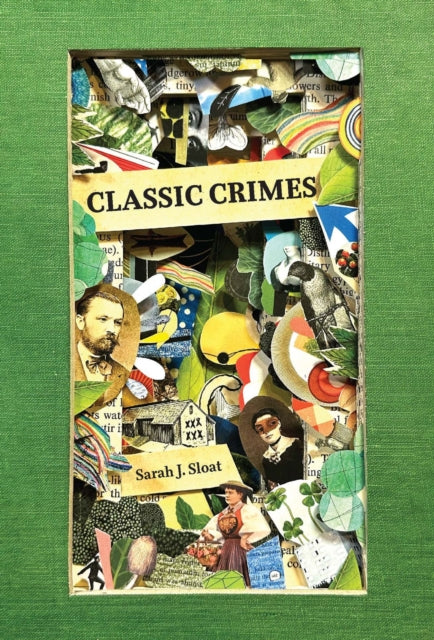
The sophomore visual poetry collection from Sarah J. Sloat, whose Hotel Almighty was a 2020 NYT Editors’ Choice pick. Classic Crimes is a book of visual poetry sourced from William Roughead’s true-crime 20th century classic of the same name. Roughead’s text is known for its ghastly recountings of murder and deceit, though such gloom is barely detectable under Sloat’s sharp eye and transformative hand. In these erasure poems, each adorned with its own colorful, meandering collage, “public opinion [is] always willing to wink at the picturesque,” and “to sleep…[is] an interlude of little dinners.” Where mayhem once lived, Sloat invites readers into a brand new world, one blooming with whimsy, play, delight, and cheeky, liberating poetics.
Product Information
Product Information
Shipping & Returns
Shipping & Returns

Classic Crimes
Classic Crimes
The sophomore visual poetry collection from Sarah J. Sloat, whose Hotel Almighty was a 2020 NYT Editors’ Choice pick. Classic Crimes is a book of visual poetry sourced from William Roughead’s true-crime 20th century classic of the same name. Roughead’s text is known for its ghastly recountings of murder and deceit, though such gloom is barely detectable under Sloat’s sharp eye and transformative hand. In these erasure poems, each adorned with its own colorful, meandering collage, “public opinion [is] always willing to wink at the picturesque,” and “to sleep…[is] an interlude of little dinners.” Where mayhem once lived, Sloat invites readers into a brand new world, one blooming with whimsy, play, delight, and cheeky, liberating poetics.
$20.22
Classic Crimes—
$20.22
Product Information
Product Information
Shipping & Returns
Shipping & Returns
Description
The sophomore visual poetry collection from Sarah J. Sloat, whose Hotel Almighty was a 2020 NYT Editors’ Choice pick. Classic Crimes is a book of visual poetry sourced from William Roughead’s true-crime 20th century classic of the same name. Roughead’s text is known for its ghastly recountings of murder and deceit, though such gloom is barely detectable under Sloat’s sharp eye and transformative hand. In these erasure poems, each adorned with its own colorful, meandering collage, “public opinion [is] always willing to wink at the picturesque,” and “to sleep…[is] an interlude of little dinners.” Where mayhem once lived, Sloat invites readers into a brand new world, one blooming with whimsy, play, delight, and cheeky, liberating poetics.