✨ New Arrivals Just Dropped!Explore
Transgressive City-Making and Governance
Transgressive City-Making and Governance delves into the pressing global issue of housing exclusion and forced evictions, using Lisbon as a case study. Based on a 15-month engaged ethnography, the book critically examines council housing occupations and evictions, revealing how these practices challenge neoliberal urban governance and put forward alternative forms of urban citizenship. Exploring gendered, classed, and racialized dynamics, it sheds light on the transformative potential of housing occupations and the role of social movements in contesting systemic exclusion. It is essential reading for those interested in housing rights, social justice, and urban governance.
Product Information
Product Information
Shipping & Returns
Shipping & Returns
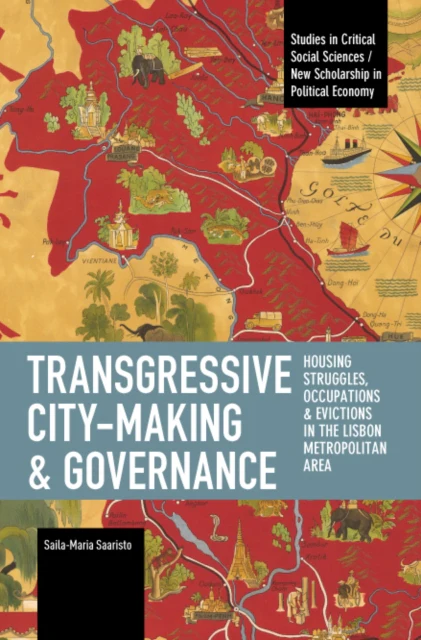
Transgressive City-Making and Governance
Transgressive City-Making and Governance
Transgressive City-Making and Governance delves into the pressing global issue of housing exclusion and forced evictions, using Lisbon as a case study. Based on a 15-month engaged ethnography, the book critically examines council housing occupations and evictions, revealing how these practices challenge neoliberal urban governance and put forward alternative forms of urban citizenship. Exploring gendered, classed, and racialized dynamics, it sheds light on the transformative potential of housing occupations and the role of social movements in contesting systemic exclusion. It is essential reading for those interested in housing rights, social justice, and urban governance.
$33.72
Transgressive City-Making and Governance—
$33.72
Product Information
Product Information
Shipping & Returns
Shipping & Returns
Description
Transgressive City-Making and Governance delves into the pressing global issue of housing exclusion and forced evictions, using Lisbon as a case study. Based on a 15-month engaged ethnography, the book critically examines council housing occupations and evictions, revealing how these practices challenge neoliberal urban governance and put forward alternative forms of urban citizenship. Exploring gendered, classed, and racialized dynamics, it sheds light on the transformative potential of housing occupations and the role of social movements in contesting systemic exclusion. It is essential reading for those interested in housing rights, social justice, and urban governance.